PROJECT 02
Field Sense
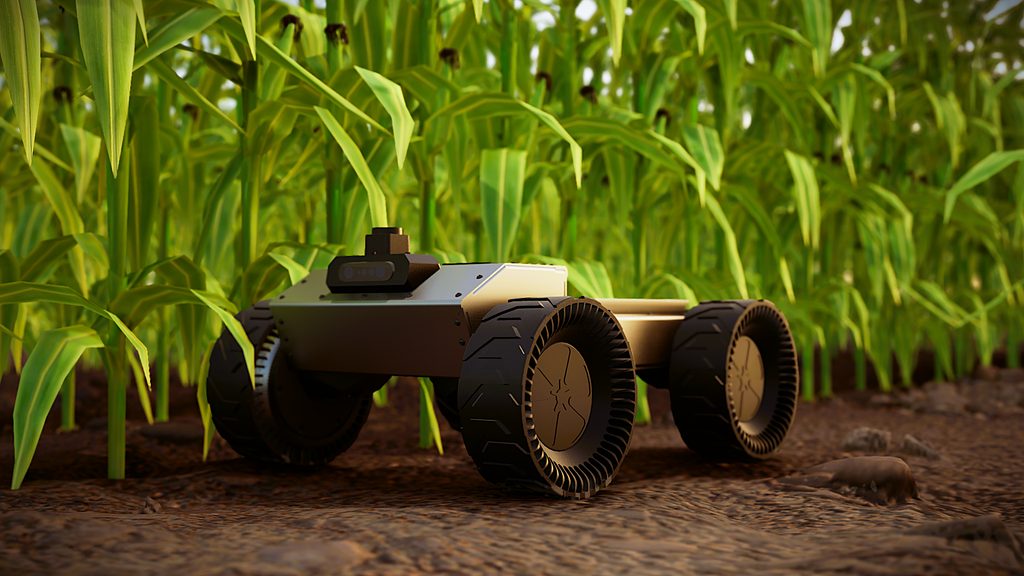
FIELDSENSE is the next evolution of the OUTDOOR-UGV platform, developed specifically for navigating agricultural environments and collecting localized field data.
Designed to move between crop rows, FIELDSENSE brings sensing capabilities directly into and under the crop canopy, where it can collect detailed information about plant health and environmental conditions.
By operating at ground level and close to the plants, FIELDSENSE can capture information that conventional monitoring methods and aerial systems may struggle to see. It is designed to complement existing agricultural practices, where drones, large-scale sensors and manual inspections are used to identify issues such as plant stress, disease and pest infections.
By providing more localized and detailed insights, FIELDSENSE has the potential to make agricultural monitoring more efficient, targeted and reliable.
One row at a time.
ACHIEVED
Milestones
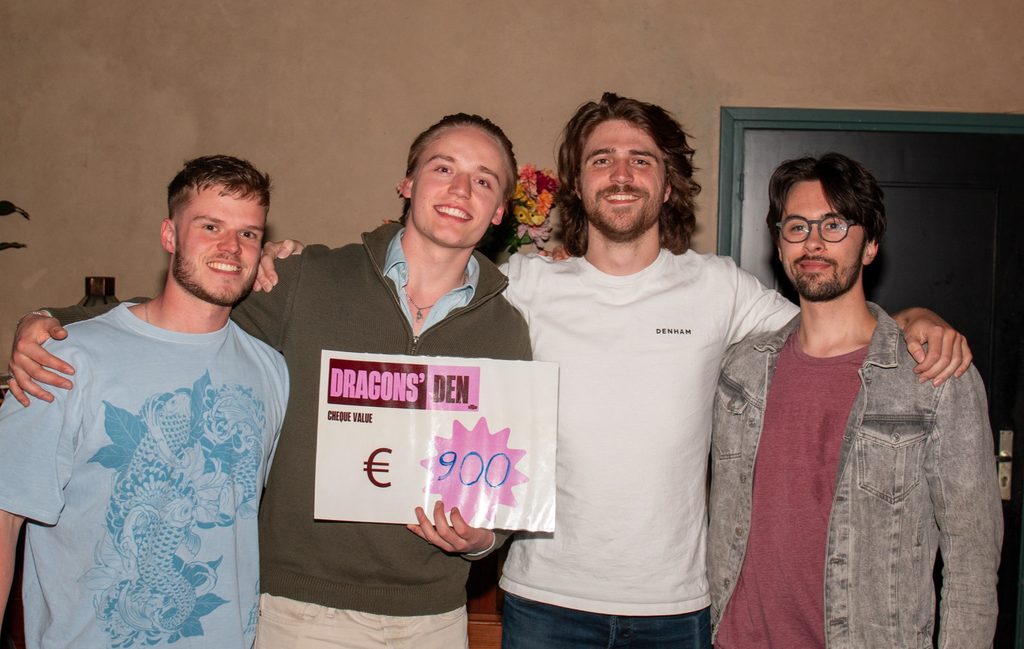
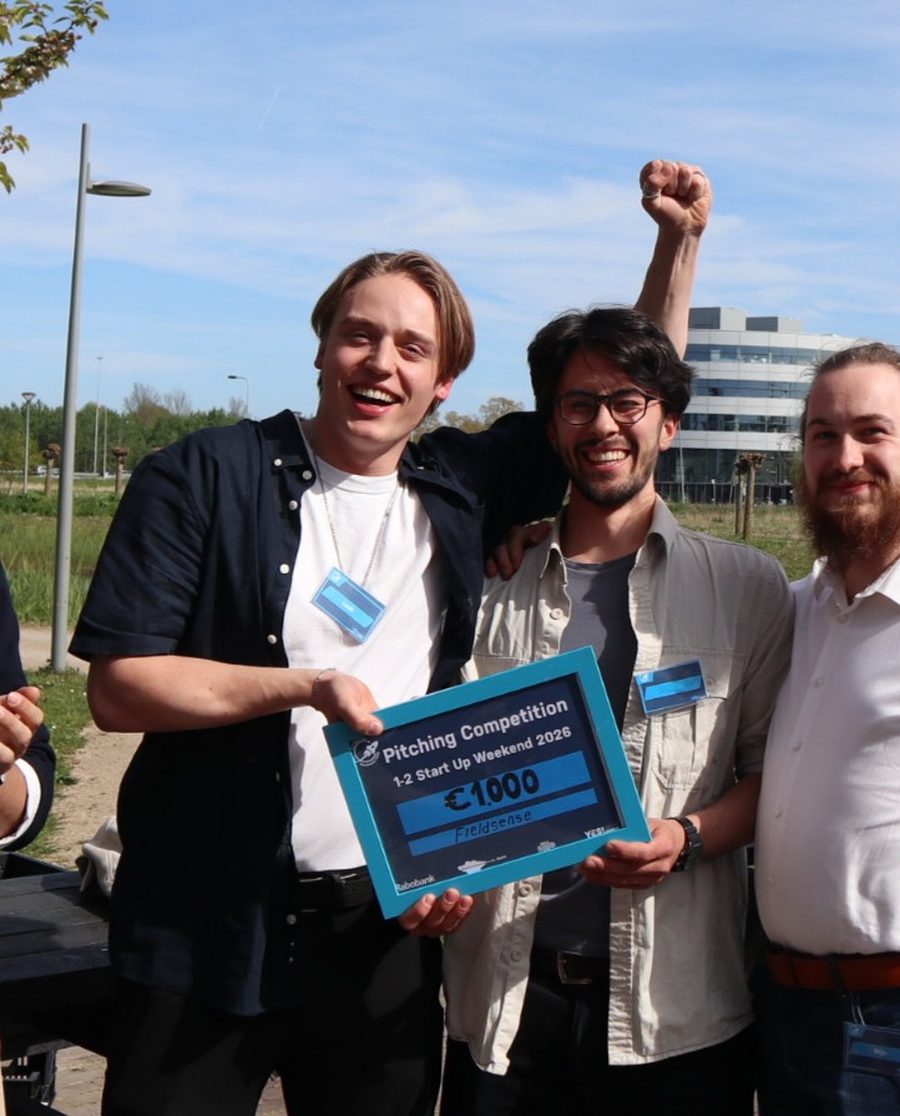
FIELDSENSE may still be in development, but the project has already reached several important milestones.
We won the YES!Delft Startup Weekend, placed third at the STUD Dragons' Den, and received funding from the FAST Committee at TU Delft to take FIELDSENSE from an early concept into active development.
And now comes the part we like best: building it.
PROGRESS
Currently
We are currently developing the second FIELDSENSE prototype, preparing it for real-world testing.
This stage focuses on taking what we learned from the first prototype and turning those lessons into a more capable and robust system. As always, the goal is to get the robot out of the workshop and into the environment it was designed for as soon as possible.
We are developing this next prototype in collaboration with the Faculty of Industrial Design Engineering at TU Delft.